How to Support Your Body as a Highly Tuned (Neurospicy) Human
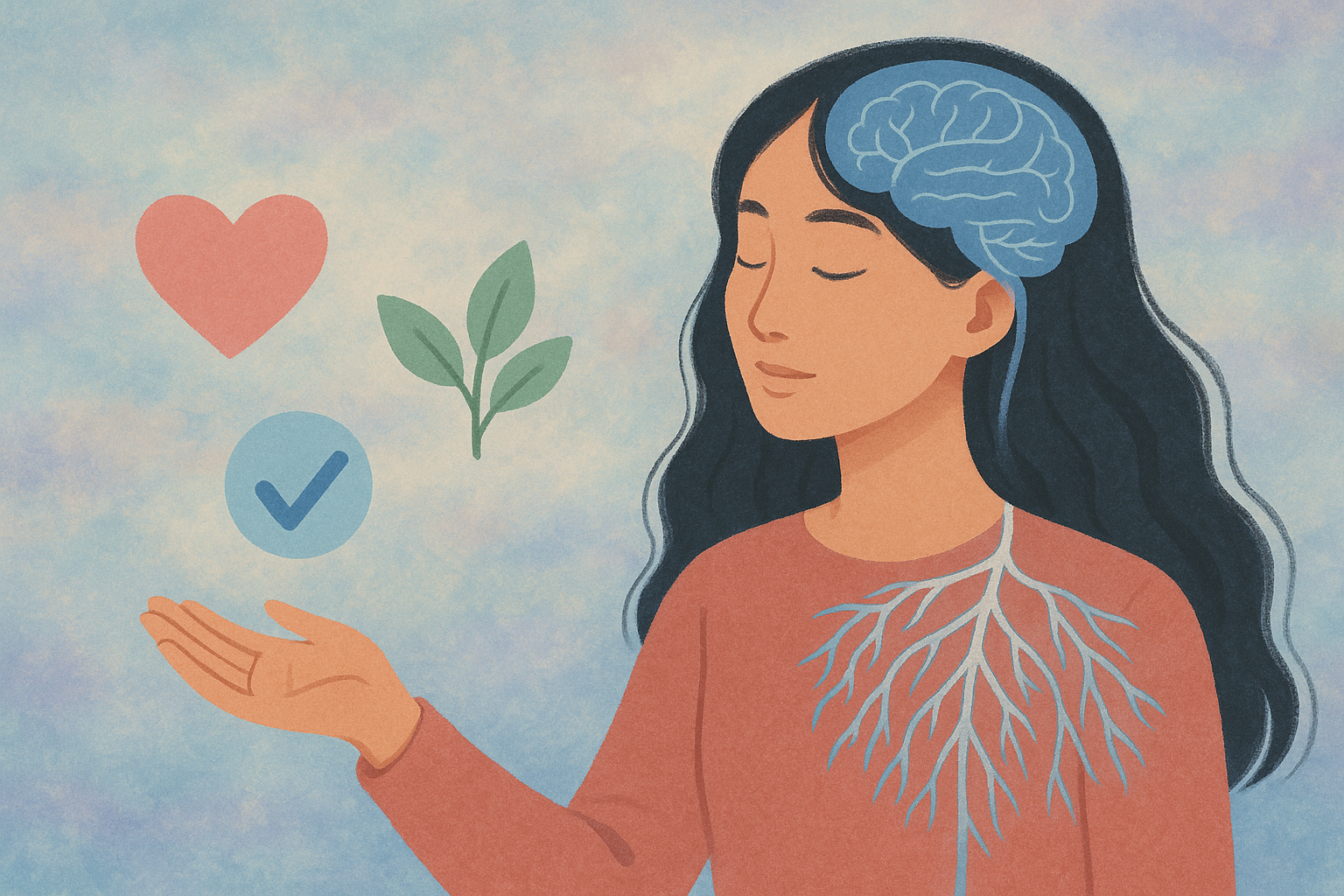
How to Support Your Body as a Highly Tuned (Neurospicy) Human
“Neurodivergence” is an umbrella term that encompasses a wide spectrum of cognitive and sensory functioning that differs from the so-called “neurotypical” conditioning shaped by capitalist, patriarchal norms. *Note: I use “quotation marks” throughout this post to signal the limitations of descriptive terminology that relies on pathology or overly isolating labels.* Commonly recognized forms of neurodivergence include:
Autism – observable, unique communication and sensory processing styles
ADHD – observable ranges of attention, focus, and executive function
Dyslexia (there are 7 types!) – influencing reading, writing and more
Dyspraxia – variants of motor coordination patterning
Neurodivergence is not a rigid category—it exists along an infinite spectrum of human experience. Honoring diverse ways of thinking, learning, and processing the world is essential. Instead of pathologizing or reducing folks to deficits according to an established norm, we should work with their unique gifts and needs rather than against them.
My own life and clinical experience has taught me that neurodivergence is not abnormal - no matter how much it might appear so. In fact, I propose—and openly discuss—that diverse nervous systems are natural expressions of life itself, inherently mysterious and not fully “capturable” through human identification terms.
Common Challenges Neurodivergent Folks Face
Many neurodistinct individuals experience:
Sensory Sensitivities – Heightened or reduced responses to textures, temperatures, flavors, sounds, and lights.
Executive Dysfunction – Challenges with organization, forgetfulness, or establishment of basic needs (e.g., eating, sleeping, hygiene) according to what is expected.
Dopamine-Seeking Behaviors – Historical reliance on high-sugar or carb-heavy foods for energy boost, impulsive decision-making, or habit formation difficulties.
Supporting your body means adapting to what works for you rather than forcing yourself into “neurotypical standards”. Below are practical strategies that help me navigate life in a fast-paced, capitalist society.
Dopamine & Blood Sugar Balance
Dopamine plays a huge role in motivation, focus, and impulse control, and it’s often dysregulated in ADHD. One way the body naturally seeks dopamine is through sugar consumption—foods high on the glycemic index quickly spike dopamine levels, providing a temporary sense of pleasure.
However, chronic sugar consumption can desensitize dopamine receptors, making it harder to experience motivation and impulse control over time. Blood sugar spikes and crashes also exacerbate brain fog, energy dips, and mood swings. Inflammation often tends to be higher in diverse types of nervous system. Having a healthy and balanced relationship with sugar and help ensure steadier inflammation levels.
Building habits to Support Dopamine Naturally:
Pair protein with every meal/snack – Helps stabilize blood sugar and sustain energy.
Try: Swapping high-sugar snacks with protein + fiber combos that feel nourishing to you (e.g., apples + nut butter, eggs + toast, or hummus + ancient grain crackers).
Prioritize fiber & healthy fats – Slows down glucose absorption, preventing sugar crashes.
Experiment with glucose-balancing strategies – I personally love @glucosegoddess for practical tips.
Eating foods in alignment with the change of seasons - this goes beyond knowing what natural foods are growing during the current time of year. Food temperature, texture and energetics are very important. (I will be publishing an eBook on a basic introduction to 5 Element TCM Nutrition in 2026).
Physical Movement for Nervous System Regulation
Movement isn’t just about “exercise” in a conventional sense—it’s about supporting the animal body through play, rhythm, and natural energy flow. Movement, in my opinion, is non-negotiable. Regular, enjoyable movement benefits include:
Stimulation of the vagus nerve → promoting a parasympathetic (relaxed) state
Regulation of dopamine & serotonin → improving focus, mood, and emotional balance
Movement of stagnant energy & stress → preventing burnout and overwhelm
Encouragement of healthy play → a basic need all people have. Play makes life fun and more “bearable” (lol)
Ways to Incorporate Movement Daily:
🌿 Micro-movements: Take 5-15 minute breaks to shake, dance, or stretch between work/study.
🌊 Deep breathing as movement: Deep belly breathing, sighing, or even humming to reset the nervous system — and feeling how breath “moves” our cells and tissues (it’s all about relationship)!
🎶 Rhythmic motion: Walking, swinging, shaking, drumming, or rocking can help regulate sensory overwhelm.
Try: Setting a timer for movement breaks to prevent “hyperfocus” fatigue. Get up and move when focus and energy is beginning to drop!
One thing I learned from my mentor is to move my animal body - making instinctual noises and moving so that my inner animal feels free and expressive.
Sleep as a Form of Nourishment
Sleep is one of the most underrated tools for nervous system regulation. Sleep is powerful medicine. Some things to consider:
Female bodies often need more sleep—your biology isn't "lazy."
Listening to your body’s wind-down cues and committing to a consistent bedtime rhythm - this is non-negotiable!
Herbs & somatic practices 🌿 (e.g., Passionflower, Valerian, Milky Oats magnesium, weighted blankets) can help with sleep dysregulation. Be sure to look into what herbs match your (current or needed) constitution type!
Belly breathing for 5-10 minutes in bed - I’ve found this extremely effective to unwind and prep my body for sleep mode.
Try: Using soft red light, blue blocker glasses, beeswax candles (safely, of course) or dim lighting before bed to signal melatonin production naturally.
Regulating Overload & Stress (HPA Axis Support)
The HPA axis (hypothalamic-pituitary-adrenal axis) is the body’s stress response system—often constantly dysregulated in a world that doesn’t accommodate highly attuned nervous systems.
Tools to Support HPA Regulation:
🌿 Botanical Allies:
Adaptogens (ashwagandha, rhodiola, reishi) help build resilience to stress.
Nervines (passionflower, skullcap, oatstraw) calm the overactive nervous system.
Nootropics can help — often adrenals are low on certain nutrients whose stores are easily used up for stressful lifestyles. (Speak with your trusted health professional more on responsible supplementation) .
🌬 Vagus Nerve Activation:
Receptive breathing: Slow, intentional exhales (longer than inhales) help signal safety to the body.
Humming & singing: Vibrates the vagus nerve, shifting the nervous system into rest-and-digest mode.
Vagus nerve stimulation devices: there are reputable brands out there that design incredible tools.
Try: Ending your day with a tea ritual (chamomile + lemon balm + tulsi) while humming along to soothing music. 🫖
Update — Other helpful tools :
Surrounding your personal space with beautiful sounds and music that feel good.
Wearing clothing textiles types and using special materials (such as cork/bamboo floors that absorb soundwaves), natural pottery for dining, special lightbulbs that emit calming wavelengths, EMF reducing gadgets — these can be game-changers if you have access to them. (Diverse nervous systems often are environment-sensitive).
Final Thoughts: Honoring Your Body’s Unique Rhythms
Thriving as a neurospicy person isn’t about forcing yourself to fit into neurotypical molds—it’s about learning what works for your specific nervous system and creating structures that support your well-being. When you give yourself the gift of consistency and care, your spicy superpowers receive the permission of space to expand and serve the world!
In my experience, having the appropriate and well-informed containers (ie: embodied professionals, community support, mentors, guides) to digest your life experience and unique processing styles is crucial in navigating a fast-paced world. If you have a grounded spiritual practice/outlook, this allows extended support to thrive and regulate your inner/outer world. I learned this from professionals and understanding from my own lived experience. And I look forward to offering gentle support for you, some day soon.
✨ You deserve care, nourishment, and liberation. Your body isn’t something to be “fixed.” It’s an ecosystem that needs tending, not control. ✨